
Great City or Great Convention Center? A Tale of Two Cities

Updated: Aug 24

Our travel industry is always exciting – literally never standing still. We can’t rest; travelers and their wants keep evolving. Destinations continuously change, adding offerings and striving to give travelers a reason to visit and stay competitive.
The same is true for the meetings sector, with convention planners seeking venues that can accommodate their events in destinations offering unique and exciting activities for engagement outside the meeting itself.
The extent to which these amenities satisfy visitors, the more likely that not only the planner will rebook the destination, but that the visitors will return on a leisure trip. A little bit of the gift that keeps on giving.
London’s Recently Expanded Excel Center

What makes a great convention city? My mind sparked as I read a recent article in M&IT. The article’s headline intrigued me: “One year on: Excel's expansion has been 'transformational' for London.”
London’s Excel Center’s expansion has generated millions in new economic impact in its first year alone and placed the facility as Europe’s largest fully integrated exhibition venue. In addition, “Major US brands including Amazon, Microsoft, Salesforce and Gartner are just some of the firms favouring London for their landmark European conferences, drawn by the city’s culture, connectivity, international appeal and access to world-leading business, technology, medical and academic communities.” (italics added).
Thus, London’s convention center is succeeding not simply because of its size, but because London is a global cultural, financial, technological, and visitor center, a place where the destination and civic leadership seemed to have worked together to attract the attention of global event planners.
That is, major overseas events want to convene in London for its new, expanded convention center, aligned with its world-class cultural assets and a city that supported the center’s expansion.
Los Angeles’ Newly Approved Convention Center Expansion Backstory

Contrasting London is Los Angeles, and the Los Angeles Convention Center (LACC), now finally in the midst of a significant $2.6 billion expansion. For the meetings industry and for the LA region, this is headline news.
Challenges
The project is sorely needed and long overdue. Its uneven performance since opening in 1971 can be attributed to the lack of a proximate, suitable headquarters hotel, its competitively smaller size, and its downtown Los Angeles location, which for years lacked a cultural center and amenities sought by event planners.
The last upgrade in 1993, 22 years later, expanded to offer its current 867,000 square feet of total space and 720,000 square feet of contiguous exhibition space. While positioning the LACC 20th among the top U.S. convention centers, it sits in the second-largest U.S. city.
The hotel issue was remedied in 2010 when the impressive 1,000-room J.W. Marriott and Ritz-Carlton opened within the adjacent L.A. Live arts, sports, and entertainment complex.
Downtown LA Renaissance
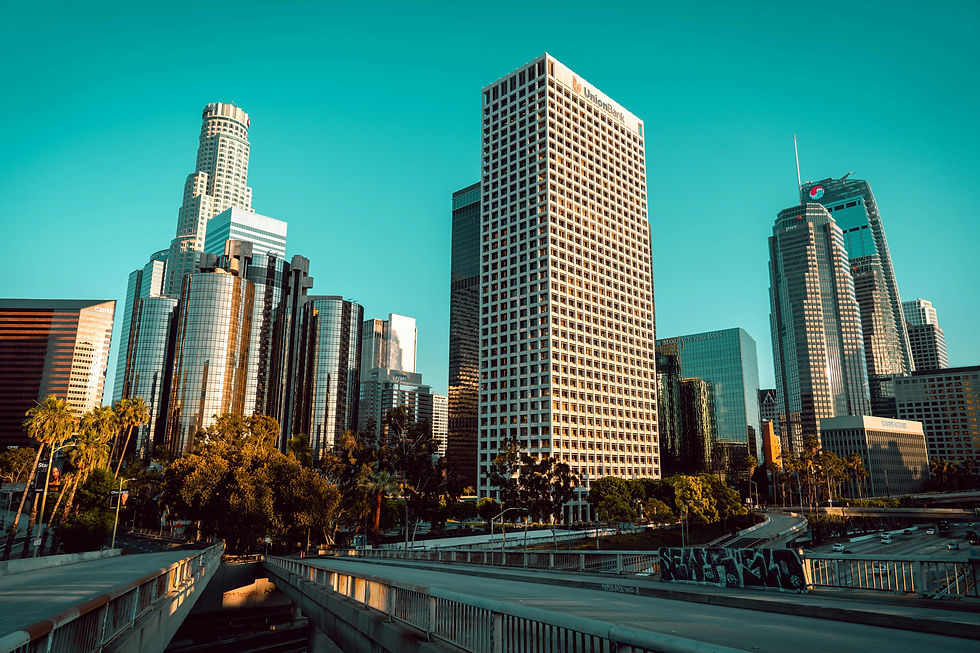
However, the LA downtown core where LACC is located still lacked the engaging cultural and community amenities planners sought for convention attendees.
In 1999, a key zoning change allowed conversion of commercial buildings for residential use. A new and diverse urban and urbane resident population began moving into Downtown LA (DTLA) and needed places to shop, dine, and access entertainment and culture.
Momentum picked up for the Convention Center as well. The emerging market attracted new interest and investment, delivering developments such as the Walt Disney Concert Hall, LA. Live, and the Broad Art Museum, all becoming famed cultural icons. In turn, they spurred new and renovated hotels, premier dining, exciting nightlife, and new retail centers.
Once just a big dream, the 20-year downtown LA renaissance put the city on the list of attractive worldwide convention destinations.
Convention Center Expansion Proposed

Yet, as LA’s convention reputation grew, the convention center remained static. An expansion had been broached several times, including in 2015, when a design competition was held to lift the LACC into the top tier of meeting facilities.
It took 10 years of City Council deliberation for the proposal to finally be approved, in September 2025. During the discussions, the expansion faced opposition from other elected and public officials, and even tacit opposition from the Los Angeles Times.
For some councilmembers, the 2028 Olympics served as a positive catalyst (rationale), while two voted against it, citing fiscal risk given the city’s financial deficit. Ultimately, it passed with the mayor and 11 (of 15) councilmembers recognizing the expansion’s long-term economic and civic benefits.
Current Situation

You may wonder why I am writing about this now. The subject has been in the back of my mind for years as a 40+ year Los Angeleno and travel industry professional, and the London article brought it to the top of mind.
Having written a master’s paper on the LACC’s original financing and conducted many convention center studies, I learned how much these facilities contribute financial, fiscal, and civic value to a city. Beyond delegates, local residents attend public and trade shows, experiencing these captivating events en masse as a community.
Lessons Learned

Comparing these two situations, what could be learned for other cities to consider going forward? How might tourism leaders help establish understanding and support early enough to prevent valuable infrastructure projects from becoming ongoing political battles?
Another salient point in the article is from James Rees, Excel’s executive director, who said: “London is continuing to win major international events from across North America and Europe – far beyond what we expected when we first greenlit our expansion back in 2021. In short, it’s been nothing short of transformational, with not only an increase in the number of events but also their size, scale, and complexity.”
When comparing these two cities, despite vast differences, each has its own strengths. Whereas London is steeped in local history and culture, Los Angeles, a newer city than London, offers its creative city buzz to event attendees.
Regardless of the specifics, any destination must be attractive and continually evolving to meet future demands to stay competitive in the convention sector. LA finally developed into a known, attractive convention city with new premier cultural and civic amenities. However, the convention center lagged. Now the city is positioned to fulfill its potential with the expansion.
Second, advocacy and education are twin drivers of project approval. Here are four key points for consideration:
Build relationships continuously. One email or meeting is not advocacy. Elected officials and other decision-makers come and go – those who were friends may have left; those who are new will take their place. Education and communications must be ongoing to build and maintain relationships with all those involved.
Cultivate support at every level. Make friends up and down the project ladder; engage elected officials, staff, civic organizations, residents, and the local media
Make Support Visible. Explain the project’s economic value and community benefits consistently and broadly.
Connect benefits to residents. Show residents—who hold sway with their elected officials—how the investment supports jobs, tax revenue, neighborhood activity, and civic amenities, not only convention attendees.
The LA travel industry likely did some or all of the above to move the center toward expansion. However, based on public information about the lengthy process and the contention leading up to the approval vote, perhaps a bit more effort could have made it smoother and quicker.
Looking Forward to Excellence
The bottom line is that I personally care about this project as an Angeleno and travel professional. I know the city and fellow residents have a major stake in how the expansion performs and what it delivers to Los Angeles.
These financial, employment, tax, and local pride benefits will go well beyond Figueroa and 12th Streets, perhaps even to “excel” the London center!


Comments